What Can I Ship to Australia? Complete Guide on Permits, Prohibitions and Restrictions
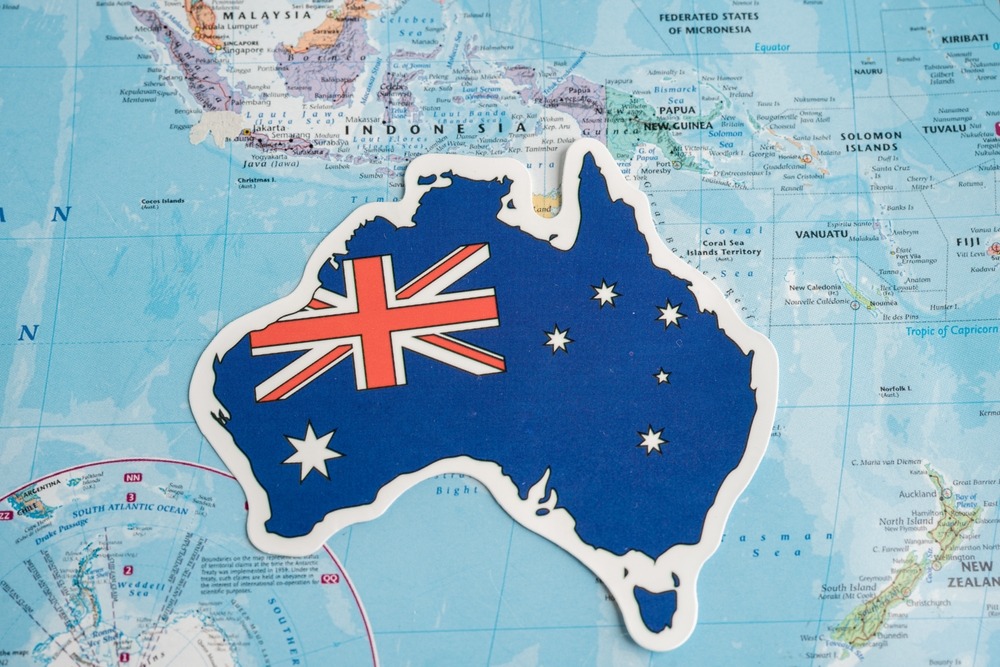
Sending a parcel to Australia from Italy is possible - but Australia is one of the countries with the strictest customs regulations in the world. The reason is simple: it is a unique and isolated ecosystem that the authorities carefully protect from external biological hazards. Unknowingly introducing an insect, seed or bacteria into a carton can have serious consequences for the local flora and fauna.
The body that controls everything that enters the country is the’Australian Border Force (ABF), flanked by the Department of Agriculture, Fisheries and Forestry (DAFF). Together they determine which products can enter, which are subject to compulsory declaration, which require a permit and which are seized and destroyed without refund.
In this guide you will find an up-to-date and practical overview of what I can ship to australia, what is absolutely forbidden and which categories require special attention. Before any dispatch, we always advise you to check the updated conditions via the official tool BICON (Biosecurity Import Conditions) of the Australian Department of Agriculture. Furthermore, it is essential to know what I can ship to australia, particularly to avoid customs problems and ensure a smooth shipment. If you have any doubts about what I can ship to australia, write to us or always consult official sources.
Let's find out together what you can shipping to Australia from Italy.
To learn more, read the guidelines on what I can ship to australia and make sure you follow all regulations for smooth shipping.
Why does Australia have such strict rules?
Australia is a continent-island that has remained isolated for millions of years, developing animal and plant species that do not exist elsewhere. Introducing even a single invasive species - an insect hidden in a fruit, a fungus on a shoe sole, larvae in wood products - can put the country's entire agricultural and natural ecosystem at risk.
This is why the Australian authorities apply a policy of biosecurity (biosecurity) that goes far beyond normal customs: it is not just about duties and taxes, but about environmental protection. Any item with even traces of soil, plant residues, seeds or undeclared organic material is seized and destroyed at the consignee's expense, regardless of its value.
What you can send to Australia without problems
Most everyday and commercial items can be shipped to Australia without any special restrictions, provided that the general packaging and customs declaration rules are observed.
Clothing and textiles: You can send clothes, shoes, bags and accessories. Please note: shoes must be clean and free of soil or mud residues on the soles. Otherwise, they are blocked for phytosanitary treatment at the recipient's expense.
Books, documents and paper material: Mailed without restrictions. For valuable documents (originals of contracts, notarial deeds), consider a tracing service with signature on delivery.
Industrial and commercial packaged products: Electronics, components, packaged cosmetics, gifts and gift items can generally be shipped without any problems, subject to normal customs regulations.
Souvenirs and collectables: Permitted if clean and free of biological contamination (soil, seeds, plant residues). Some natural materials (ivory, coral, special woods) may be subject to the CITES Convention on protected species: always check before sending.
Medicines for personal use: It is possible to send drugs for personal use, provided that:
- Do not exceed 3 months' supply per package
- The total quantity over a year does not exceed 15 months of therapy
- Are accompanied by a prescription (if subject to prescription)
- Not covered by controlled substances under Australian law
Cosmetics and personal care products: Generally permitted if industrially packaged. Products with ingredients of vegetable or animal origin (e.g. lanolin, botanical extracts) may be subject to declaration.
Engineered Wood Products Permission if:
- Completely bark-free
What you CANNOT send to Australia: the list of prohibited items
Fresh food, fruit and vegetables
Fresh fruit and vegetables are categorically prohibited. They are confiscated and destroyed at customs control without exception. They are also prohibited:
- 1) Fruit with seeds and peel
- 2) Fresh or chilled vegetables
- 3) Dried mushrooms not in sealed commercial packaging
- 4) Plants and cuttings
Meat, fish and meat products
Meat and fish in any form are banned, including:
- 5) Fresh, frozen, dried, cooked or smoked meat
- Cured meats, sausages, hams and other cold cuts
- 6) Dried or smoked fish not in commercial packaging
- Broths and meat bases not in sealed packages
- The only exception is the industrially sealed canned meat
This also applies to the most popular Italian products: Parma ham, salami, mortadella and bresaola cannot be shipped to Australia, regardless of craftsmanship.
7) Dairy products, cheese and eggs
All products containing more than 10% of dairy products, eggs or derivatives not heat-treated. This excludes most fresh, soft and mature cheeses that have not been industrially treated. Long-ripened hard cheeses in sealed packages may be permissible, but should always be checked on a case-by-case basis at BICON.
8) Unprocessed plant products
- Seeds, spores and bulbs for cultivation (also accidentally contained in loose spice bags)
- Straw and dried plant materials (forbidden to use them as packaging material)
- Dried untreated flowers and flower arrangements
- Soil and growing media
9) Organic products of animal origin
- Non-industrially treated feathers, bones, horns
- Products with raw animal hair
- Bird nests
- Live animals (always require specific special authorisations)
10) Dangerous substances
As with all international shipments, goods considered dangerous are prohibited: unincorporated lithium batteries, flammable materials, toxic or corrosive substances, explosives.
No signs of insects, woodworm or pest damage
- Declared on arrival for confirmation inspection
The “grey” categories: allowed but with conditions
Some categories of products are neither freely dispatchable nor automatically prohibited: it depends on the type of product, the quantity, the packaging and the declaration.
Industrially packaged foods
Food products industrially packaged, with sealed packaging, labelled in English (or with an additional label) and with clearly indicated ingredients, are generally permitted if intended for personal use, within reasonable quantities (approximately 10 kg or 10 litres per category).
They fall into this category:
✔️dried pasta,
✔️Sauces in jars, preserves,
✔️coffee beans or ground coffee,
✔️biscuits,
✔️chocolate,
✔️extra virgin olive oil in a sealed bottle,
✔️balsamic vinegar.
These products are also found in Australia (Barilla, Lavazza and many Italian brands are distributed in Australian supermarkets), so consider whether it is really worth sending them.
Products with feathers (jackets, pillows, sleeping bags)
Dispatchable up to a maximum of 10 articles whether:
- Industrially produced
- Intended for personal use
- Free of obvious contamination
Alcoholic drinks
Alcohol can be shipped to Australia, but beware of the value threshold:
- If the total value of the shipment exceeds AUD 1,000 (approx. EUR 600): an import declaration is required and duties and GST (Australian Goods and Services Tax at 10%) may apply
- For lower values, a fee may still be required to be paid in advance
Tobacco
Same rule as for alcohol in terms of threshold value. Please note: Australia's tobacco regulations are also among the most restrictive in the world for commercial products.
Objects in raw wood or cork
Permitted if clean, free of bark and without signs of pests, but must be declared and may be subject to inspection on arrival.
🐶🐱 Dogs and cats
- They may only be imported under strict conditions and with prior authorisation.
- Detailed information: Bringing cats and dogs to Australia.
🐰🐎🐦 Pets (birds, horses, rabbits), breeding material, laboratory animals or aquarium fish
- They can only be imported with specific permits and conditions defined by the Australian authorities.
- More details available here: Importing live animals and reproductive material.
🦎🐸🐜 Exotic or special animals
- Unusual animals, such as reptiles, insects or amphibians, require special permits to be imported into Australia.
- For more: Unique or exotic pets.
Souvenirs and handicrafts from Italy: what to check
When sending Italian souvenirs or handicrafts to Australia, consider these points:
- Ceramics and terracotta with natural finishes (e.g. decorations with unsealed organic materials): may be subject to inspection
- Leather objectspermitted if industrially processed, subject to declaration if artisanal
- Objects made of horn, bone or ivory: subject to CITES regulations on protected species; check origin and documentation before shipping
- Wine and oil: dispatchable in permitted quantities with undamaged packaging, subject to the value threshold for customs declarations
Documents required to ship to Australia
Australia is non-EU, so each shipment requires its own taric code and the customs documentation complete. In particular:
- Pro forma invoice or commercial: detailed description of contents, value of each item, country of origin
- Waybill (Air Waybill)provided by the courier
- Declaration of Free Exportmandatory for all shipments from Italy to non-EU countries
- Copy of sender's identity document (required by some couriers such as UPS)
- Medical prescription for prescription medicines
All documents must be drafted in english language or accompanied by a translation, otherwise Australian customs may block the shipment for lack of clarity on the contents.
How to check if your product is allowed: the BICON tool
Before sending any items that do not fit into the clearly free categories, use the official system BICON - Biosecurity Import Conditions of the Australian Department of Agriculture. It allows you to search for any product by name or HS code and obtain up-to-date import conditions. It is the most reliable tool available and is updated regularly by the relevant authorities.
Practical checklist before shipping to Australia
Practical checklist before shipping to Australia
- ✅ I have checked every article on BICON
- ✅I have excluded meat, sausages, fruit, fresh vegetables and prohibited products
- ✅ Packaged foods have sealed industrial packaging and ingredients
- ✅declared
- ✅ Shoes and clothing are clean and free of soil
- ✅I did not use straw or plant materials as packaging material
- ✅ I have completed the pro forma invoice in English with description and value of each item
- ✅ I have attached the free export declaration
- ✅ Medicines do not exceed 3 months' stockpile
- ✅ I checked the AUD 1,000 value threshold for alcohol and tobacco
What happens if I send a prohibited article by mistake?
The parcel is detained by Australian customs. The consignee is notified and can choose - if possible - to have the package returned to the sender (at his or her own expense) or allow it to be destroyed. In the case of mandatory phytosanitary treatment, the costs are always borne by the consignee.
Can I send typical Italian products such as pasta, oil and preserves?
Yes, if industrially packaged with unopened and sealed packaging. No for cold meats, fresh cheese, fresh bread, unpackaged artisan baked goods. Before shipping, consider that many Italian products can already be found in Australian supermarkets.
Is my parcel always opened and checked?
Not necessarily, but Australia performs random and scanner checks. Any inaccurate or incomplete declaration significantly increases the likelihood of a manual check. Always declare everything accurately is the most convenient option.
Can I ship over-the-counter medicines without a prescription?
Yes, over-the-counter medicines for personal use are generally permitted within the prescribed quantity limits (maximum 3 months' supply per pack).
Do I have to pay duties in Australia?
It depends on the value and type of goods. Shipments with declared value less than AUD 1,000u (approx. EUR 600) are generally not subject to import duties, but may be subject to GST - good and service tax (10%). Above this threshold, formal import declarations and potential duties are required depending on the product category.
Ready to ship to Australia?
Now that you know what you can and cannot put in your parcel, the next step is to choose the right courier and calculate the shipping cost. With SpedizioneComoda you can compare the rates of DHL, UPS, FedEx and TNT for the Italy-Australia route in real time, with home collection included in the price.
→ Calculate a quote for shipping to Australia
Useful links
- Sending a parcel to Australia - Rates, couriers and delivery times for the Italy-Australia route.
- International Shipments - All destinations available from Italy.
- FAQ - General Questions - Answers to frequently asked questions about our shipments.
- BICON - Biosecurity Import Conditions (official Australian Government website) - Check the import conditions for any product.