🍝 Shipping food and drink abroad: what you can ship (and how to do it risk-free)

Sending food abroad is possible and a common practice, but not everything can be shipped and much depends on the country of destination. Knowing the rules, restrictions and good practices is crucial to avoid blockages, delays or extra costs.

In this guide you will find what you can send, what is forbidden and how to do it correctly 🚚
🍽️ Can food be sent abroad?

✔️ Yes, it is possible to ship food abroad

But it depends on:

  • Country of destination
  • type of food
  • mode of transport (air or land)

In general: the more the product is dry, packaged and non-perishable, the easier it is to ship it. If you ship by land, the easier because of fewer controls (no IATA).

✅ What can be sent abroad

Here are the foods generally accepted by the express courier or:

✔️ Dispatchable foodstuffs

  • dried pasta
  • biscuits and packaged sweets
  • preserves (sauces, in oil)
  • coffee
  • packaged snacks

👉 Correct examples of description

  • “dry pasta - 2 kg - packaged”.”
  • “packaged biscuits - 3 boxes - value 15€”.”
  • “ground coffee - 2 packs - value €12”.”

🚫 What CANNOT be sent

Many foods are banned or severely restricted, especially in air transport.

❌ Prohibited or problematic products

  • fresh meat and fish
  • refrigerated food
  • fresh dairy products
  • homemade products (non-certified and “do-it-yourself” confectionery)
  • food with unsealed liquids

💡 Simple rule
👉 If refrigerator required → NOT dispatchable
👉 If it is packaged, stable and labelled → generally OK Also have a look at the non-shippable products here.

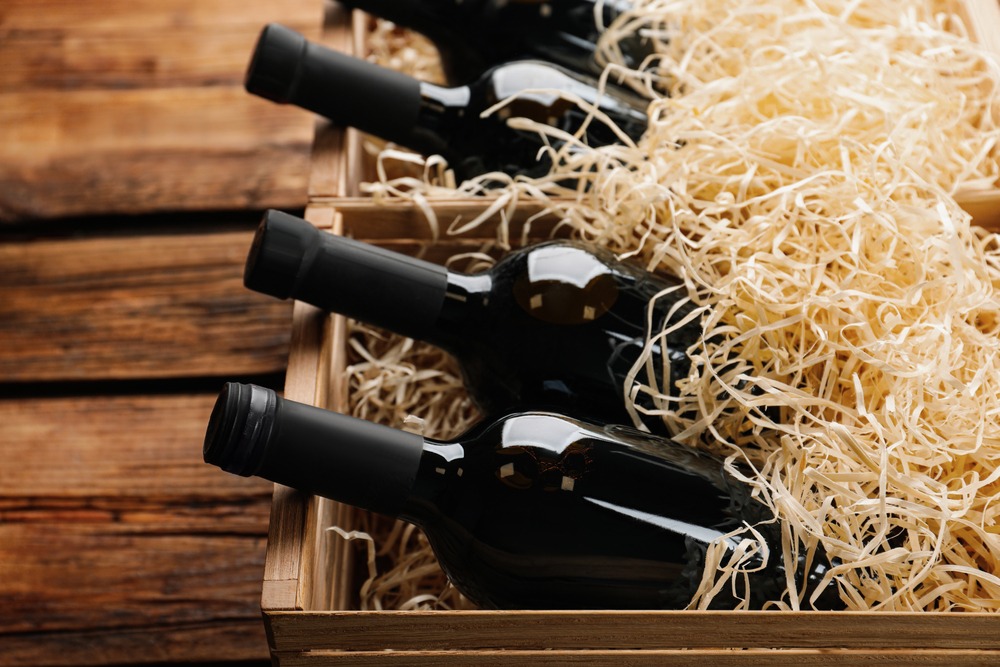
🍷 Shipping wine and spirits

✔️ It is possible to ship wine within the’ European Union, but with certain conditions:

  • some couriers allow this (e.g. UPS)
  • specific packaging for bottles compulsory
  • limits on quantity and gradation - Ice Guide
  • shipment only permitted if the product is well packaged

Correct examples

  • wine bottles with certified packaging
  • shipments between EU countries (e.g. Italy → Germany, France, Spain)
shipping food, shipping wine

⚠️ Warning

  • 🌍 Shipments to non-EU countries
    👉 in general it is not possible to ship wine as a private individual via standard couriers
  • 📄 shipping alcohol outside the EU requires:
    • authorised operators
    • specific documentation
    • excise and import management
  • 🚫 some destinations ban alcohol completely

Shipping TipsComfortable
If you have to ship wine abroad, limit yourself to shipments intra-EUThey are simpler, faster and hassle-free customs 🚀.

🌍 Shipping food: EU vs non-EU

Is this the most important difference between food shipments to countries within the European Community and those outside?

🇪🇺 Shipping to the EU

  • no customs
  • fewer restrictions on type of goods, quantity and value.
  • simpler shipment, especially if by truck (you avoid the IATA air restrictions)

Ideal for shipping food between Italy, France, Germany, Spain, etc.

🌍 Shipments outside the EU (USA, UK, Turkey...)

  • 📄 mandatory customs documents
  • 📝 detailed description required
  • 🚫 restrictions on many foods
  • 💰 possible duties and VAT

💡 Shipping BoardComfortable

To ship foodstuffs abroad without problems:

Always indicate in the description of the goods inside the parcel or pallet:

  • type of product
  • quantity
  • real value

🚫 Avoid generic descriptions:

  • “food”
  • “gift”

✅ Use correct descriptions in Italian and English, if you have to choose a language, better only English:

  • “Dried pasta - 2 kg - value €10” - “Dried pasta - 2 kg - value €10”.”
  • “Packaged biscuits - 3 boxes - value €15” - “Packaged biscuits - 3 boxes value €15”

⚠️ Vague descriptions may cause:

  • blocks in customs
  • delays
  • requests for documents
  • return to sender of the parcel - pallet
sending food

📦 How to pack food for shipping

A correct packaging is fundamental to protect products during transport and avoid damage, loss or delays.

Especially for food and beverages, careful preparation reduces the risk of breakages and problems with the courier.

✔️ Good practices

  • Sturdy box (do not recycle, use a new one)
  • internal protection (bubble wrap, foam. No movement in the package).
  • separating fragile products
  • sealing liquids well

🍷Per bottles

  • use specific packaging
  • avoid internal movement
  • impact protection

Council
Good packaging = less damage + fewer complaints. The shipment arrives at its destination intact.🚀

⚠️ Common mistakes to avoid

🚫 generic description
🚫 inadequate packaging
🚫 shipping prohibited products
🚫 ignore customs rules

Shipping TipsComfortable
Preparing shipment and travel documents well = fast delivery without surprises or additional costs.

❓ FAQ - Sending food abroad

Can I send food abroad?

Yes, but not all foods are allowed. In general, products are easier to ship dry, packaged and labelled, non-perishable, such as pasta, biscuits, coffee, sealed preserves and packaged snacks. Always check the restrictions of the destination country and courier before shipping.

Can I ship food to the USA?

Yes, but the United States have very strict rules. Some food products may require specific documentation, customs control or registration linked to the FDA. It is important to give an accurate description of the contents, quantity and actual value, avoiding generic terms such as “food” or “gift”.

Can wine be shipped abroad?

Yes, but only within the European Union and with couriers that allow it. Wine requires approved packaging for bottles, limits on quantity and gradation, and careful preparation of the shipment.

For destinations extra-EU, in general it is not possible to ship wine as a private individual via standard couriersauthorised operators, excise management and specific import procedures are required.

Which foods are forbidden or problematic?

Fresh or perishable foods are not usually allowed, such as meat, fresh fish, fresh dairy products, fruit, vegetables and refrigerated products. Homemade foodstuffs, unsealed liquids or products requiring temperature control during transport are also problematic.

How to avoid problems at customs?

For non-EU shipments prepare complete documents and precise descriptions. Always indicate product type, quantity and actual value, e.g. “packaged dry pasta - 2 kg - value 10€”. Vague descriptions such as “food”, “gift” or “personal items” may lead to checks, delays or requests to supplement documents.